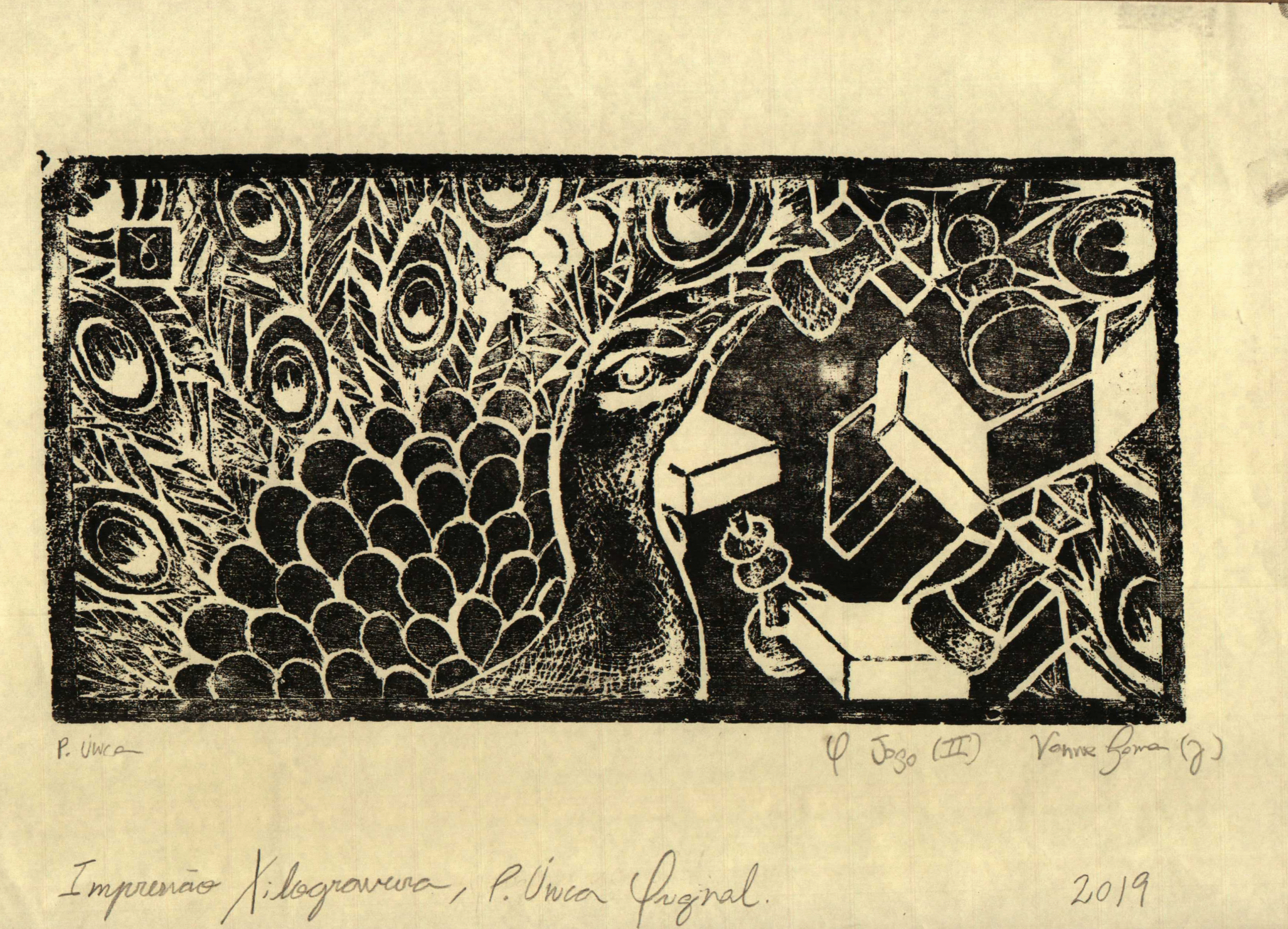
Society finally is breathing culture more than ever: museums are experiencing interactivity at a real level on the digital platform around the globe. All great museums from Europe to Brazil, to Asia to North America are living with us the re-readings, the re-presentations of exhibitions and we didn’t even need high-tech to do it effectively. People are talking about art they see and how they would like to try. People have searched for tutorials and online classes: of course, exist limitations: we know that quality goes down when demand is too high, and Instagram has been the platform where we can clearly distinguish between what is made purely to reach people and what is made to teach something.
While we’re experiencing this cultural flow between viewer and institutions, and independent artists, (that is no longer a goal but an observable event) we are also daily questioning for how long this will last: the world is changing fast and aren’t all times possible to analyse every single aspect that contributes for this new path to be followed. ”But why image?”, image consumerism represents pretty well any society: what it consumes, when, how much of that it is consumed, what people think about it, how they are experiencing their digital and real space. That’s how history can be told: by who, when, where of events. And Image consuming is an event: you can observe how AI in visual arts is growing fast and having billions of dollars invested. Somehow, these phenomena of interactivity are quite different then many of us expected: there is an indirect element of choice and not always, the sensorial experience being amplified will be the contemporary art pivot.
When someone likes an abstract painting in a gallery page on Instagram, it shows the audience. When someone shares a short ”do it yourself” art video with someone else it shows audience, eyes, and a web of interest. This web of interest is crucial understanding people preferences, tolerances and judgment, and this isn’t aspects that are being highlighted to talk about the art market, but to talk about society collective conscience over a wide range of themes: violence, political perspectives, environmental issues, future expectations and how they are feeling individually in their own quarantine space. That’s what image causes: reaction.
Considering then the importance of the communicative vehicle of the image is that being aware of what we are producing and telling people through what is accessible to them, how they interact with art, image and culture, is indispensable especially for tomorrow.
Crises have a common characteristic of awareness, not only economic but also social-psychological, causing anxiety, panic and social analytical superficiality concerning the events that follow the event: in our case, the COVID-19 pandemic.
Together with a good friend of mine, Henrique Nakandakare, a creative, audiovisual producer and photographer, we developed a video talking about the impact of these visual processes today and how to be conscient about certain parts of visual arts elements are fundamental now that we are living in an art-breathing society (for now or shortly). The video language is originally Portuguese (Brazilian-Portuguese) but you can find the automatic translation option if you need.
More about quarantine discussions on artistic process will be written about the new series ”Space-Being”, ”In the meantime, he dances”, ”Metamorphosis non-anthropomorfic” and ”Project 6”.
Written by Vannie Gama, project developed with Henrique Nakandakare (IG: @nakanda_ , youtube channel: Henrique Nakandakare).
Stay safe.
Share this:

Would you like to receive the next post on your digital door?